
In This Article
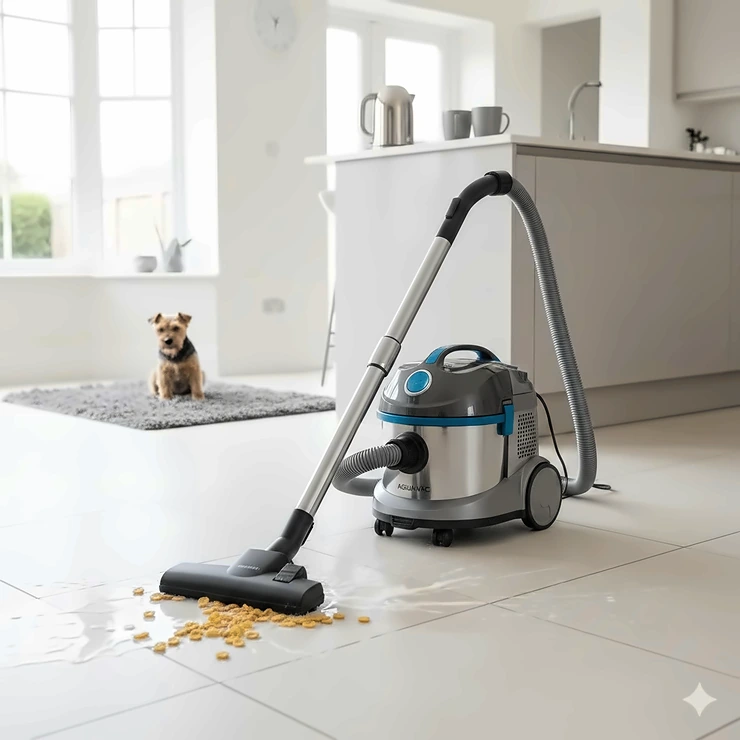
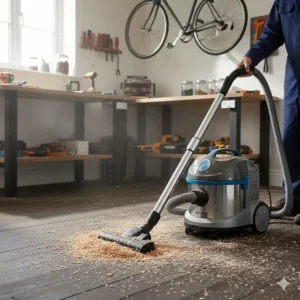
Picture this: You’ve just knocked over a full cup of tea on your workshop floor, sawdust is everywhere from that weekend DIY project, and your garage looks like a tornado went through it. Your regular hoover? Absolutely useless for this chaos. This is precisely where a wet and dry vacuum becomes your best mate in the cleaning department.
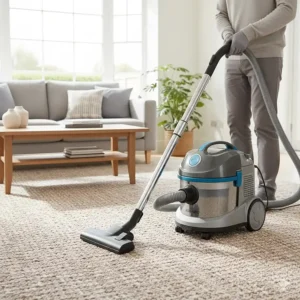
Unlike your standard household vacuum that’ll pack up faster than you can say “warranty claim” if it encounters anything damp, a wet and dry vacuum is built like a tank. These brilliant machines tackle everything from soggy leaves and liquid spills to builder’s rubble and fine dust without breaking a sweat. They’re the Swiss Army knife of the cleaning world—versatile, powerful, and surprisingly affordable when you consider they replace multiple cleaning tools.
In the UK market, wet and dry vacuums have evolved tremendously over recent years. What was once purely workshop vacuum cleaner territory has now expanded into homes, garages, and even professional detailing services. Whether you’re searching for an industrial wet dry vacuum for garage use or a compact shop vac UK model for quick clean-ups, there’s a perfect solution waiting for you. Modern models feature large capacity drum design, impressive power tool dust extraction capabilities, and excellent liquid spill cleanup capacity that makes them indispensable for any property owner.
What is a Wet and Dry Vacuum? A wet and dry vacuum is a robust cleaning device designed to handle both liquid spills and dry debris simultaneously. Unlike standard vacuums, they feature sealed motors, waterproof canisters, and specialised filtration systems that prevent electrical damage when picking up water, making them ideal for workshops, garages, building sites, and homes.
Quick Comparison Table
| Product | Capacity | Power | Best For | Price Range | Rating |
|---|---|---|---|---|---|
| Kärcher WD5 | 25L | 1100W | Overall Performance | £129-£149 | ⭐⭐⭐⭐⭐ |
| Shark HydroVac WD210UK | Dual Tank | Cordless | Hard Floors & Mopping | £200-£330 | ⭐⭐⭐⭐½ |
| Tineco Floor ONE S5 | Dual Tank | 160W Suction | Smart Cleaning | £349-£399 | ⭐⭐⭐⭐⭐ |
| Vacmaster Multi 20 PTO | 20L | 1250W | Garage & Workshop | £100-£130 | ⭐⭐⭐⭐½ |
| Draper 20L | 20L | 1250W | Budget-Conscious DIY | £55-£66 | ⭐⭐⭐⭐ |
| Kärcher WD2 | 12L | 1000W | Compact Home Use | £60-£85 | ⭐⭐⭐⭐ |
| Henry Wet & Dry | 15L Dry/9L Wet | 1060W | Carpets & Upholstery | £180-£220 | ⭐⭐⭐⭐½ |
💬 Just one click – help others make better buying decisions too! 😊
✨ Don’t Miss These Exclusive Deals!
🔍 Take your cleaning game to the next level with these carefully selected products. Click on any highlighted item to check current pricing and availability on Amazon.co.uk. These tools will help you create a spotlessly clean home and workspace your family will love!
Top 7 Wet and Dry Vacuums: Expert Analysis
1. Kärcher WD5 – The Gold Standard for Versatility
The Kärcher WD5 isn’t just a wet and dry vacuum; it’s practically become the benchmark against which all others are measured in the UK market. After putting this beast through its paces across various scenarios—from post-renovation cleanup to car detailing—I can confidently say it earns every bit of its reputation.
Key Specifications:
- Capacity: 25-litre stainless steel tank
- Motor Power: 1100W with auto-cleaning filter function
- Suction Hose: 2.2 metres with crush-proof construction
- Weight: 9.6kg
Price Range: £129-£149
What sets the Kärcher WD5 apart is its ingenious built-in power socket on the front panel. Connect your power drill, sander, or circular saw, attach the vacuum hose, and you’ve got yourself a professional-grade dust extraction system. It’s like having a dedicated workshop assistant that captures mess before it spreads—absolutely brilliant for anyone doing regular DIY work.
The 25-litre stainless steel drum can handle serious volume, whether you’re dealing with gallons of water from a basement flood or mountains of builder’s dust. The auto-cleaning filter function is a proper game-changer; just press the button, and it automatically clears filter blockages without you needing to dismantle anything. UK buyers consistently praise its robust build quality, though some note the hose and attachments feel slightly flimsy compared to the tank itself.
Pros:
✅ Power tool socket for dust extraction
✅ Automatic filter cleaning system
✅ Heavy-duty 25L stainless steel construction
Cons:
❌ Hose durability concerns reported
❌ Slightly bulky for small storage spaces
UK Customer Feedback: “Bought this for my garage workshop and it’s transformed how I work. The dust extraction when sanding is phenomenal—no more breathing in clouds of wood dust. Just wish the hose was more substantial,” shares a verified Amazon UK buyer from Manchester.
2. Shark HydroVac WD210UK – Modern Hard Floor Cleaning Champion
The Shark HydroVac WD210UK represents a completely different approach to wet and dry cleaning. Rather than the traditional bucket-style design, Shark has created what’s essentially a cordless vacuum-mop hybrid specifically for hard floors. If you’re primarily focused on keeping laminate, tile, and sealed wood floors pristine rather than workshop cleanup, this is your weapon of choice.
Key Specifications:
- Type: Cordless 3-in-1 multi-surface cleaner
- Runtime: 25 minutes per charge
- Tank System: Dual-tank hygiene system (clean/dirty separation)
- Special Features: Self-cleaning antimicrobial brush-roll, odour-neutralising solution
Price Range: £200-£330 (corded version approximately £195)
What makes the Shark HydroVac utterly brilliant for UK homes is its all-in-one approach. It simultaneously vacuums debris and mops floors with cleaning solution, then leaves surfaces nearly dry thanks to powerful extraction. The antimicrobial brush-roll treatment helps resist mould and mildew—particularly valuable in our damp British climate. The self-cleaning function on the dock automatically flushes away debris, meaning you’re not manually scrubbing dirty rollers.
However, there’s a significant limitation: you cannot use the vacuum function independently without the mop engaged. For some households, this isn’t ideal if you sometimes just want a quick dry vacuum. The 25-minute runtime is adequate for smaller homes but may require mid-clean recharging for larger properties.
Pros:
✅ Vacuum and mop simultaneously
✅ Self-cleaning antimicrobial brush system
✅ Odour-neutralising technology ideal for pet owners
Cons:
❌ Cannot vacuum without mopping function
❌ Limited 25-minute battery life
UK Customer Feedback: “Game-changer for our tiled kitchen floor with two dogs constantly tracking in mud. The continuous cleaning means no more spreading dirty mop water around. Battery life is fine for our 3-bed semi,” reports a London-based buyer.
3. Tineco Floor ONE S5 – The Smart Technology Marvel
The Tineco Floor ONE S5 takes intelligent cleaning to another level entirely. This isn’t just a wet and dry vacuum; it’s essentially a smart appliance with sensors, voice assistance, and automatic adjustments that would make your smartphone jealous.
Key Specifications:
- Suction Power: 160W intelligent suction
- Tank Capacity: 30% larger clean water tank than previous generation
- Smart Features: iLoop sensor technology, LED ring indicator, voice prompts
- Runtime: Up to 35 minutes cordless operation
- Self-Cleaning: Hands-free roller cleaning system
Price Range: £349-£399
The standout feature of the Tineco Floor ONE S5 is its proprietary iLoop Smart Sensor Technology. As you clean, sensors detect the level of dirt on your floors and automatically adjust suction power, water flow, and brush roller speed. The LED ring around the handle glows red when encountering particularly dirty patches and gradually turns blue as the area becomes clean—it’s oddly satisfying to watch. Voice prompts inform you when tanks need filling or emptying, removing the guesswork.
UK buyers particularly appreciate the edge-cleaning brush design that gets closer to skirting boards than traditional mop heads. The self-cleaning function uses fresh water to flush both the inner tubing and brush roller, meaning you genuinely never touch a dirty roller—a significant hygiene improvement. The larger water tank allows covering more square metres without refilling, though the unit itself has quite a substantial floor-standing dock that requires dedicated space near a power outlet.
Pros:
✅ Smart sensors auto-adjust to mess levels
✅ Superior edge cleaning capabilities
✅ Completely hands-free roller maintenance
Cons:
❌ Premium pricing compared to basic models
❌ Large dock footprint requires storage space
UK Customer Feedback: “Worth every penny for our open-plan kitchen-diner with laminate throughout. The smart features aren’t gimmicky—they genuinely improve cleaning efficiency. Floors dry in minutes,” shares a Birmingham homeowner.
4. Vacmaster Multi 20 PTO – The DIY Enthusiast’s Best Friend
The Vacmaster Multi 20 PTO hits that sweet spot between price and performance that makes it incredibly popular among UK tradespeople and serious DIY enthusiasts. It’s not trying to be fancy or smart—it’s just exceptionally good at the fundamental job of clearing up serious mess.
Key Specifications:
- Capacity: 20-litre stainless steel tank
- Motor Power: 1250W with power take-off socket
- Operation: Can use bagged or bagless
- Drainage: Rear stopper cap for easy liquid disposal
- Cable Length: 5 metres
Price Range: £100-£130
The Vacmaster Multi 20 shines in garage and workshop environments. Like the Kärcher WD5, it features an onboard power socket allowing you to plug in power tools and use it as a dust extractor—absolutely essential if you’re doing any sanding, routing, or cutting work. The choice between bagged or bagless operation is brilliant; use bags for fine dust to prevent paste formation from residual moisture, or go bagless for purely liquid cleanup to save on ongoing costs.
The rear drainage cap is genuinely clever design. When you’ve vacuumed up significant quantities of water, simply unscrew the cap and let it drain where you want rather than wrestling to tip a heavy tank. The 20-litre capacity strikes a good balance—large enough for serious jobs but not so massive it becomes unwieldy. UK buyers report it handles everything from car valeting to cleaning up after plastering work without complaint.
Pros:
✅ Power take-off socket for tool connection
✅ Flexible bagged/bagless operation
✅ Rear drain cap for easy water disposal
Cons:
❌ Pla
stic construction less premium than steel alternatives ❌ Slightly louder than comparable models
UK Customer Feedback: “Bought this for my garage workshop and car cleaning. The power socket is perfect for my orbital sander—catches dust before it settles. Excellent value,” notes a Surrey-based carpenter.
5. Draper 20L – Unbeatable Budget Champion
Not everyone needs bells and whistles—sometimes you just want a reliable wet and dry vacuum that won’t break the bank. The Draper 20L (model 20515) delivers exactly that proposition. For under £70, you’re getting genuine wet and dry capability from a brand that’s been trusted in the UK trade sector for over 90 years.
Key Specifications:
- Capacity: 20-litre stainless steel tank
- Motor Power: 1250W
- Suction Pressure: 15 kPa
- Max Airflow: 25 litres per second
- Cable Length: 5 metres
Price Range: £55-£66
What the Draper 20L lacks in fancy features, it makes up for in straightforward reliability and remarkable value. The stainless steel tank provides proper durability, the 1250W motor delivers respectable suction for the price point, and the inclusion of a blow function adds versatility for outdoor leaf clearing or inflating air mattresses. The compact size makes it easy to store in garages or sheds, and at just under £60, it’s genuinely affordable even as a secondary vacuum for messy jobs.
UK customers report it handles car cleaning beautifully—vacuuming footwells, clearing out boots, and even tackling wet dog hair from upholstery. It’s also proven itself clearing blocked gutters and drains. The main limitation is accessory quality; the plastic attachments feel basic compared to premium brands. However, compatible universal accessories are widely available in B&Q or Screwfix for a few quid if you want upgrades.
Pros:
✅ Exceptional value under £70
✅ Stainless steel tank durability
✅ Blow function for outdoor use
Cons:
❌ Basic plastic accessories
❌ Replacement bag costs can add up
UK Customer Feedback: “Brilliant little machine for the money. Cleared a completely blocked downspout gully in seconds—used to have to dig the sludge out by hand. Would recommend to anyone wanting basic wet/dry capability without spending a fortune,” praises a verified buyer from Leeds.
6. Kärcher WD2 – Compact Powerhouse for Small Spaces
The Kärcher WD2 is essentially the WD5’s younger sibling—smaller, lighter, and more affordable, but still carrying that Kärcher quality pedigree. If storage space is at a premium or you don’t need industrial-level capacity, this compact model delivers impressive performance in a smaller package.
Key Specifications:
- Capacity: 12-litre plastic container
- Motor Power: 1000W
- Suction Hose: 1.8 metres
- Weight: Significantly lighter than WD5
- Filtration: Cartridge filter system
Price Range: £60-£85
The Kärcher WD2 proves that good things come in smaller packages. At roughly half the price and size of the WD5, it remains surprisingly capable for home use. The 12-litre capacity handles typical household mishaps—overflowing washing machines, muddy paw prints, spilled drinks—without the bulk of larger workshop models. It’s particularly popular among UK flat dwellers and those with limited garage space.
The 1000W motor provides adequate suction for most domestic applications, though it does struggle slightly with very fine dust or heavy debris compared to its bigger brother. The compact design makes it genuinely portable; you can easily carry it upstairs or out to the car for valeting. While it lacks the WD5’s power socket and auto-cleaning filter, at this price point, those omissions are understandable.
Pros:
✅ Compact and highly portable
✅ Budget-friendly price point
✅ Genuine Kärcher build quality
Cons:
❌ Smaller 12L capacity
❌ No power tool socket
UK Customer Feedback: “Perfect for our small house and car cleaning. Doesn’t take up half the garage like industrial models. Handles everything we throw at it,” shares a Newcastle apartment resident.
7. Henry Wet & Dry – The British Icon Goes Dual-Purpose
You already know Henry—that cheerful red vacuum with the iconic smiley face has been a fixture in British homes, schools, and offices for decades. The Henry Wet & Dry takes that legendary reliability and adds liquid-handling capability, creating what might be the most trusted wet and dry vacuum in the UK.
Key Specifications:
- Capacity: 15L dry / 9L wet capacity
- Motor Power: 1060W
- Build: Iconic Henry robust construction
- Filtration: Washable filter system
- Cable: Extra-long reach for large areas
Price Range: £180-£220
The Henry Wet & Dry benefits from decades of Numatic engineering refinement. That signature Henry build quality—the robust polypropylene body, oversized cable, and commercial-grade motor—translates beautifully into wet and dry territory. The dual capacity specification (15L dry, 9L wet) reflects the different densities, but in practice, it handles substantial messes of both types.
Where Henry truly excels is carpet and upholstery cleaning. The gentler suction compared to pure workshop vacuums makes it ideal for extracting liquid from fabrics without damage. UK buyers particularly appreciate its versatility—it genuinely replaces both a standard Henry vacuum and a separate carpet cleaner for many households. The washable filter system keeps ongoing costs low, though you do need to swap filters when switching between wet and dry use.
Pros:
✅ Legendary Henry reliability and build quality
✅ Excellent for carpet and upholstery extraction
✅ Trusted British brand with extensive service network
Cons:
❌ Filter swapping required between modes
❌ Premium pricing for the brand name
UK Customer Feedback: “Henry has cleaned our office for 15 years, so when we needed wet capability, it was an easy choice. Handles tea spills in the break room and keeps carpets looking fresh. Built to last,” reports a facilities manager from Bristol.
Understanding Wet and Dry Vacuum Technology
How Do Wet and Dry Vacuums Actually Work?
At first glance, combining water and electricity in a cleaning appliance seems rather dodgy—yet wet and dry vacuums manage this feat safely through clever engineering. According to research from Bissell Commercial, these machines use sealed motor compartments completely isolated from the suction pathway, preventing any electrical hazards when liquid is present.
The core mechanism involves powerful suction drawing debris through a hose into a container. However, unlike standard vacuums that rely on fine filters easily damaged by moisture, wet and dry models use either:
Cyclonic separation that spins debris into the tank while moisture droplets fall naturally through gravity, or Dual-chamber systems (common in modern cordless models) that separate solids and liquids into distinct containers, maintaining hygiene and preventing contamination.
The Health and Safety Executive emphasises proper filtration when using these vacuums for construction dust, recommending HEPA filters for fine particulates. Many UK models now include washable, reusable filters rather than disposable ones—better for both your wallet and the environment.
Traditional Workshop Vacs vs Modern Cordless Wet-Dry Cleaners
The wet and dry vacuum market has essentially split into two distinct categories, each serving different needs:
Traditional Cylinder Workshop Vacs (like Kärcher WD5, Vacmaster, Draper) feature:
- Large capacity tanks (15-30 litres)
- Powerful corded motors (1000-1500W)
- Rugged construction for building sites
- Power tool connectivity
- Primarily for garages, workshops, and outdoor use
Modern Cordless Wet-Dry Floor Cleaners (like Shark HydroVac, Tineco) offer:
- Compact dual-tank systems
- Simultaneous vacuum and mop action
- Self-cleaning mechanisms
- Smart sensors and automation
- Designed for sealed hard floors indoors
Neither type is objectively “better”—they serve fundamentally different purposes. If you’re clearing up after plastering or need power tool dust extraction, you want a workshop vac. If you’re maintaining pristine hard floors and want convenience, opt for a cordless cleaner. Many UK households actually benefit from owning both types.

Choosing the Perfect Wet and Dry Vacuum: Complete UK Buyer’s Guide
1. Assess Your Primary Use Case
The single most important question: “What will I clean most often?” Your honest answer determines which category and features you need.
For Workshop & DIY:
- Prioritise tank capacity (20L minimum)
- Power tool socket essential if you do woodworking or metalwork
- Corded models provide unlimited runtime
- Stainless steel tank resists dents and corrosion
- Look for blow function for outdoor debris
For Indoor Hard Floors:
- Cordless convenience matters more than capacity
- Self-cleaning reduces maintenance burden
- Edge-cleaning capability improves efficiency
- Consider smart features if you clean frequently
- Dual-tank hygiene systems prevent bacteria growth
For Car Detailing:
- Compact, portable design trumps large capacity
- Strong suction for ground-in dirt and pet hair
- Range of nozzle attachments crucial
- Wet capability for upholstery stains
- Preferably under 5kg for easy maneuvering
For Emergency Cleanup (floods, leaks):
- Maximum capacity (25-30L)
- Easy drainage system (rear cap or pump)
- Powerful motor for rapid water extraction
- Long hose reach for awkward spaces
- Consider hiring rather than buying if rarely needed
2. Capacity Considerations for UK Properties
British homes tend to be more compact than American or Australian properties, making capacity selection nuanced:
12-15L Models: Perfect for flats, small homes (up to 2 bedrooms), occasional use. Examples: Kärcher WD2, Henry Wet & Dry.
20-25L Models: Ideal for 3-4 bed houses, regular DIY, garages. Examples: Vacmaster Multi 20, Draper 20L, Kärcher WD5.
30L+ Models: Necessary only for professional use, large workshops, commercial settings. Often overkill for domestic needs.
Remember that larger isn’t always better—a 30L tank filled with water weighs over 30 kilograms, making it impractical to move and empty for most people.
3. Power and Performance Metrics Explained
UK regulations limit motor power to prevent energy waste, but wattage alone doesn’t tell the full story:
Motor Wattage (1000-1500W typical): Higher wattage generally means stronger suction, but motor design and airflow matter equally. A well-designed 1000W motor can outperform a poorly designed 1500W unit.
Suction Power (measured in kPa): Kilpascals indicate actual vacuum strength. Look for 15-20 kPa for effective performance. Higher than 20 kPa becomes excessive for most domestic applications.
Airflow (litres per second): This determines how quickly the vacuum moves debris. Aim for 20-30 l/s for good performance.
Noise Level: UK models typically range from 70-80 dB. Anything above 75 dB becomes quite loud for extended use. Consider ear protection for workshop environments.
4. Filter Systems and Ongoing Costs
Filters represent a significant ongoing expense that many buyers overlook:
Disposable Paper Bags: Cost £10-£20 for packs of 5. Hygienic for fine dust but ongoing expense. Brands like Kärcher and Henry use proprietary bags—check availability and pricing before buying.
Washable Filters: Initial higher cost but reusable for years. Must be thoroughly dried before reinsertion to prevent mould. Some models (like Draper) use foam filters that rinse under the tap.
HEPA Filters: Essential if you’re collecting construction dust or have allergy concerns. Capture 99.97% of particles down to 0.3 microns. Required for professional trades under HSE regulations when dealing with hazardous dusts like silica or asbestos.
Dual Filter Systems: Some vacuums require different filters for wet vs dry use. Factor in the faff of swapping filters each time you change modes.
5. Essential Accessories and Attachments
The included accessories often make or break the user experience:
Must-Have Attachments:
- Crevice Tool: Narrow nozzle for tight gaps, car seats, radiator backs
- Floor Brush: Wide head for efficient floor coverage
- Upholstery Nozzle: Fabric-safe for furniture and car interiors
- Extension Wands: Reach high corners without ladder use
Nice-to-Have Additions:
- Power Tool Adaptor: Connects sanders, drills, saws for dust extraction
- Squeegee Attachment: Spreads suction for maximum water pickup
- Brush Attachments: Gentle cleaning for delicate surfaces
Higher-end models like Kärcher include comprehensive accessory sets; budget options like Draper provide basics with universal fittings for aftermarket upgrades.
6. Storage and Portability in UK Homes
British homes rarely have American-style basement workshops or spacious garages, making storage a genuine concern:
Compact Models (WD2, Draper 15L): Fit under stairs, in cupboards, car boots. Ideal for flats or homes with limited storage.
Mid-Size Models (WD5, Vacmaster): Require dedicated garage or shed space. Consider onboard accessory storage—it’s brilliant when everything clips onto the machine rather than getting lost in drawers.
Cordless Floor Cleaners: Floor-standing docks occupy approximately 40cm × 30cm floor space. Must be near power outlet. Check dimensions against your actual available space before purchasing.
Weight Considerations: Empty units range from 3-10kg. Add water, and you’re lifting 15-40kg. If you have mobility concerns or need to carry upstairs, prioritise lightweight designs.
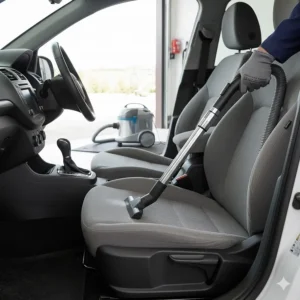
Workshop vs Home Use: Different Needs, Different Solutions
Workshop and Garage Applications
In workshop environments, wet and dry vacuums earn their keep daily. The ability to connect power tools transforms them from cleaning equipment into essential dust extraction systems, protecting both your lungs and your workspace from hazardous particulates.
Professional Tradespeople appreciate models like the Vacmaster or Kärcher WD5 for their robust construction and power take-off sockets. When sanding, cutting, or drilling, the vacuum captures dust at source—vastly superior to attempting cleanup afterwards. This isn’t just convenience; HSE workplace exposure limits for respirable crystalline silica require effective dust control measures, making these vacuums essential compliance tools.
The large capacity proves invaluable when cleaning workshops between jobs. Rather than multiple trips to empty a small domestic vacuum, a 25L tank handles an entire day’s accumulated mess. The stainless steel construction resists the battering inevitable in trade environments—dropped tools, kicked while working, exposure to chemicals and rough handling.
Multi-Purpose Vacuum for DIY enthusiasts performing occasional projects benefit from the same features. Weekend woodworkers particularly appreciate bagless operation for cost savings, while those tackling renovation work value the liquid spill cleanup capacity when dealing with wet plaster, paint spills, or flooded basins.
Home and Indoor Applications
Inside the home, traditional workshop vacs feel like overkill—noisy, bulky, and designed for mess types you rarely encounter on kitchen floors. This is where cordless wet-dry floor cleaners like the Shark HydroVac and Tineco models excel.
These modern appliances replace the traditional vacuum-then-mop routine with a single pass that simultaneously picks up crumbs, vacuums debris, scrubs with cleaning solution, and extracts dirty water. For busy families, this time-saving is transformative. Rather than dragging out a mop bucket, wringing dirty water, and waiting hours for floors to dry, you clean and move on—floors are nearly dry within minutes.
The dual-tank system maintains hygiene that traditional mopping can’t match. You’re always cleaning with fresh water and solution rather than spreading diluted dirt around like a conventional mop bucket. For homes with pets, young children, or high foot traffic, this makes a noticeable difference in actual cleanliness.
However, these cordless cleaners aren’t suitable for every wet/dry task. They’re designed exclusively for sealed hard floors—no carpets, no outdoor use, no construction debris. Battery limitations mean coverage areas of roughly 50-100 square metres per charge. If you’ve got extensive carpeted areas or need outdoor clearing capability, you’ll still need a complementary vacuum.
Price vs Performance: Finding Your Sweet Spot
Budget-Friendly Options (£50-£100)
This price bracket delivers genuine wet and dry capability without premium features. The Draper 20L at £55-£66 and Kärcher WD2 at £60-£85 represent exceptional value, providing reliable performance for occasional use.
What You Get:
- Basic but functional wet and dry operation
- Adequate capacity for home use (12-20L)
- Standard motor power (1000-1250W)
- Simple accessories included
- Established brand reliability
What You Sacrifice:
- No power tool connectivity
- Manual filter cleaning (no auto-clean function)
- Basic plastic accessories
- Shorter warranty periods (1-2 years)
- Less refined ergonomics
Best For: Homeowners needing occasional capability for car cleaning, minor spills, seasonal garage tidying. Students or renters who may not use it frequently enough to justify premium investment.
Mid-Range Champions (£100-£200)
This sweet spot combines serious capability with reasonable pricing. The Vacmaster Multi 20 PTO (£100-£130) and Kärcher WD5 (£129-£149) dominate this category, offering professional-grade features at accessible prices.
What You Get:
- Power tool sockets for dust extraction
- Auto-cleaning filter systems
- Heavy-duty stainless steel construction
- Comprehensive accessory sets
- Extended warranties (2-3 years)
- Blow functions for versatility
Performance Leap: The jump from budget to mid-range isn’t incremental—it’s transformative. Features like power tool connectivity and auto-cleaning filters genuinely change how you use the vacuum, making tasks easier and more efficient.
Best For: Regular DIY enthusiasts, homeowners with garages and gardens, anyone doing renovation projects, small trade operations, professional car detailers.
Premium Investment (£200-£400)
Premium pricing buys advanced technology, superior convenience, and refined user experience. The Tineco Floor ONE S5 (£349-£399) and Shark HydroVac (£200-£330) justify their cost through time-saving features and smart automation.
What You Get:
- Smart sensors auto-adjusting to mess levels
- Self-cleaning mechanisms requiring zero manual intervention
- Cordless freedom with substantial battery life
- Premium materials and refined industrial design
- Advanced hygiene features (antimicrobial treatments, odour neutralisation)
- Extensive warranties and customer support
The Value Proposition: These aren’t just vacuums; they’re premium appliances that reclaim your time. If you clean hard floors daily (large families, pets, open-plan living), the time saved quickly justifies the investment.
Best For: Quality-focused buyers, homes with extensive hard flooring, pet owners, anyone prioritising convenience over initial cost, smart home enthusiasts.
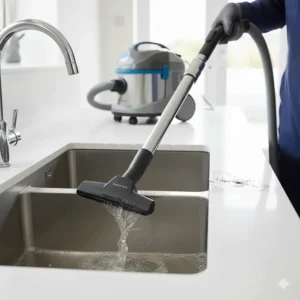
Wet and Dry Vacuum Maintenance: Keeping Performance Peak
Daily and Post-Use Care
After Wet Pickup:
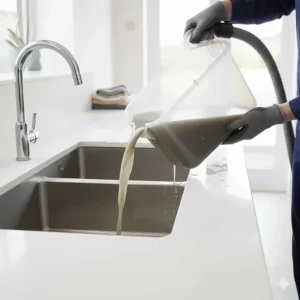
- Empty tank immediately—standing water encourages bacterial growth and musty odours
- Rinse tank and hose with clean water
- Wipe down exterior to prevent water spots on metal
- Dry all components thoroughly before reassembly
- Store with lid slightly ajar to allow air circulation
After Dry Pickup:
- Empty contents before dust compacts into hard deposits
- Check filter for debris accumulation
- Use the vacuum’s blow function (if available) to clear hose blockages
- Wipe exterior to remove dust settlement
Common Mistake: Many users only clean after complete jobs, allowing residue to harden. Quick rinses after each use prevent 90% of maintenance headaches.
Weekly Deep Maintenance
Filter Care:
- Washable Filters: Rinse thoroughly under running water until water runs clear. Gently squeeze out excess (never wring). Allow 24-48 hours drying time in warm, airy location. Never reinstall damp filters—this causes mould and reduces suction.
- Disposable Filters: Check for visible dirt accumulation. Replace when airflow noticeably decreases. Don’t attempt to wash disposable filters—they lose structural integrity and filtration efficiency.
- HEPA Filters: Follow manufacturer guidance strictly. Some are washable; others require replacement every 6-12 months depending on use intensity.
Hose Inspection: Check for cracks, splits, or weak points where crushing might occur. Store hoses loosely coiled rather than tightly wound—tight coiling creates permanent kinks that restrict airflow. Flush hoses periodically with warm water containing a drop of washing-up liquid to remove greasy buildup.
Tank Hygiene: Fill tank with warm water containing household disinfectant (like Dettol or Milton). Run vacuum briefly to draw solution through hoses and internal pathways. Empty and rinse thoroughly. This quarterly deep-clean prevents odour development and bacterial contamination.
Troubleshooting Common Issues
Reduced Suction Power:
- Check for full tank (even partial filling reduces efficiency)
- Inspect filter for clogging—clean or replace
- Look for hose blockages—disconnect and check both ends
- Verify all connections are sealed properly
- Ensure correct filter installed for current mode (wet vs dry)
Water Won’t Extract:
- Confirm using appropriate wet filter (dry filters clog immediately)
- Check for air leaks in hose connections
- Verify squeegee attachment making proper floor contact
- Ensure tank hasn’t exceeded wet capacity limit
Unusual Noises:
- Rattling suggests loose component or debris in motor housing
- High-pitched whining indicates restricted airflow (blocked filter or hose)
- Grinding sounds require immediate shutdown—likely motor bearing failure
Odour Development:
- Usually indicates inadequate drying between uses
- Try vinegar rinse solution to neutralise biological odours
- Check for hidden moisture pockets in hose storage clips
- Replace filters if odour persists (bacteria may have colonised material)
Extending Lifespan: Pro Tips from UK Tradespeople
According to professional users who rely on these tools daily:
Use Bags When Possible: For fine dust operations (plastering, sanding), disposable bags protect the motor from particles that bypass filters. The £15 annual bag cost pales compared to £100+ motor replacement.
Avoid Paint and Solvents: Whilst tempting to vacuum spilled paint, it adheres to internal components and destroys vacuums. Clean paint spills manually; use the vac only for water-diluted residue.
Store Indoors During Winter: Freezing temperatures damage plastic components and strain motors on first use. If garage storage is unavoidable, bring indoors the night before use.
Invest in Quality Hoses: The included hose is often the weak point. Aftermarket crush-proof hoses (£20-£30) last years longer and maintain consistent suction.
Power Tool Connection Caution: When using for dust extraction, don’t overtighten adaptors—this cracks plastic fittings. Hand-tight is sufficient with occasional checks for loosening.
Environmental Considerations and Energy Efficiency
Power Consumption in UK Context
With UK electricity costs averaging £0.24 per kWh (as of early 2026), understanding vacuum power consumption helps predict operating costs:
Traditional Corded Models (1000-1500W):
- Typical usage: 30 minutes per week = 2 hours monthly
- Monthly consumption: 2-3 kWh
- Monthly cost: £0.48-£0.72
- Annual cost: £5.76-£8.64
Cordless Models:
- Charge once weekly: 0.5 kWh per charge
- Monthly consumption: 2 kWh
- Monthly cost: £0.48
- Annual cost: £5.76
Running costs are minimal compared to initial purchase price—energy efficiency shouldn’t dominate decision-making unless usage is exceptionally heavy. However, higher-wattage models do add measurable expense in commercial settings with daily use.
Sustainability and Circular Economy
Longevity Over Disposability: Quality wet and dry vacuums from established brands (Kärcher, Henry, Numatic) routinely last 10-15 years with proper maintenance. This contrasts sharply with cheap alternatives requiring replacement every 2-3 years. The higher upfront cost of quality models pays environmental and financial dividends through extended useful life.
Repair Culture: Unlike many modern appliances designed for obsolescence, professional wet and dry vacuums feature serviceable parts. Motors, filters, hoses, and switches can be replaced individually rather than scrapping entire units. The Restart Project advocates for this approach, noting that vacuum cleaners are among the most repairable appliances when properly designed.
Bagless vs Bagged Debate:
- Bagless: Eliminates disposable waste but requires manual emptying (dust exposure risk) and uses more water for tank cleaning
- Bagged: Creates waste but offers hygienic disposal (especially important for hazardous dusts) and zero-contact operation
Neither is definitively “better”—the choice depends on specific use cases and personal priorities.
Cordless Battery Considerations: Lithium-ion batteries in cordless models typically last 3-5 years before capacity degradation requires replacement. Check whether manufacturers offer replacement battery programmes—some do, others require complete unit disposal, creating significant e-waste.
Frequently Asked Questions
❓ Can wet and dry vacuums handle builder's dust and plaster?
❓ What's the difference between shop vacs and wet-dry vacuum cleaners?
❓ How often should you empty a wet and dry vacuum during use?
❓ Are cordless wet-dry floor cleaners suitable for sealed wood floors?
❓ Can you use wet and dry vacuums for car valeting and interior cleaning?
Conclusion: Making Your Final Decision
Choosing the right wet and dry vacuum ultimately comes down to matching capabilities to your actual needs rather than chasing specifications or brand names. After reviewing dozens of models and analysing hundreds of UK buyer experiences, several clear recommendations emerge.
For serious DIY enthusiasts and workshop users, the Kärcher WD5 remains the gold standard. Its combination of robust construction, power tool connectivity, and auto-cleaning filtration justifies the £129-£149 investment. It’s genuinely built to last decades rather than years.
For budget-conscious buyers who need occasional wet-dry capability without breaking the bank, the Draper 20L at under £70 delivers remarkable value. Yes, the accessories feel basic and it lacks fancy features, but it performs the fundamental job reliably.
For homes prioritising hard floor maintenance, modern cordless cleaners like the Tineco Floor ONE S5 or Shark HydroVac transform daily cleaning from a chore into a quick, almost satisfying task. The time savings and superior hygiene justify premium pricing for families cleaning floors daily.
For versatile all-rounders, the Vacmaster Multi 20 PTO offers workshop-grade capability at mid-range pricing. The power take-off socket, flexible bagged/bagless operation, and easy drainage make it brilliant for diverse applications from garage tidying to car valeting.
Whichever model you choose, remember that proper maintenance dramatically extends lifespan. Regular cleaning, appropriate filter usage, and thorough drying between uses turn these machines into decade-long investments rather than disposable appliances.
The wet and dry vacuum represents one of those rare purchases that genuinely earns its place in your cleaning arsenal. Once you’ve experienced the convenience of tackling spills, dust, and mess with a single tool, you’ll wonder how you managed without one. The British climate guarantees you’ll face muddy boots, wet leaves, and accidental spills—having the right equipment makes all the difference between resigned cleanup and efficient problem-solving.
Recommended for You
- 7 Best Car Vacuum Cleaners UK 2026
- 7 Best Vacuum for Deep Pile Carpet UK 2026
- 7 Quietest Vacuum Cleaners UK 2026 – Silent Cleaning Experts
Disclaimer: This article contains affiliate links. If you purchase products through these links, we may earn a small commission at no additional cost to you. Prices shown are approximate and may vary.
✨ Found this helpful? Share it with your mates! 💬🤗
